
The Psychology Behind Casino Design
Casinos are meticulously designed to create an environment that maximizes player engagement and encourages longer play. One of the primary psychological principles at work is the idea of ‘loss aversion,’ where the fear of losing is often a stronger motivator than the lure of winning. This design philosophy is evident in the layout of gaming floors, which are often disorienting, making it easy for players to lose track of time and their surroundings while enjoying australian online pokies and various games that enhance their experience. These environments are tailored to minimize distractions and promote focus on the games, enhancing the likelihood of prolonged play.
Furthermore, the strategic use of color, sound, and lighting plays a critical role in shaping the player experience. Bright lights and vibrant colors create a stimulating atmosphere, while the sounds of coins jingling and slot machines paying out generate excitement and reinforce the gaming experience. These sensory elements are not accidental; they are carefully planned to trigger euphoric responses, making players feel more inclined to keep playing and chasing the next win.
Additionally, casinos employ various reinforcement schedules—be it intermittent rewards or surprise bonuses— to keep players engaged. Similar to how slot machines operate, where players are rewarded unpredictably, this aspect plays on the brain’s reward system, making the act of gambling addictive. Thus, by understanding cognitive biases and behavioral triggers, casinos craft an experience designed to keep players at their tables and slots for extended periods.
The Role of Game Variety and Accessibility
Another layer to casino design that encourages longer playtime is the wide variety of games offered. From classic table games like blackjack and poker to a plethora of slot machines featuring different themes and payouts, players can always find a game that suits their preferences. This diversity not only attracts a broad audience but also allows players to switch games, preventing monotony and keeping the gaming experience fresh and exciting. When players feel they have multiple options, they are more likely to stay for longer sessions, exploring various games and strategies.
The strategic placement of games is also crucial. High-traffic areas are typically populated with popular slot machines and tables that attract a lot of attention, while more secluded spaces may host high-stakes games for serious players. This thoughtful layout drives gamers to circulate within the casino, thus increasing their exposure to different games and the likelihood of additional play. The ease of access to various gaming options creates a seamless flow, encouraging players to engage continuously without having to leave the area.
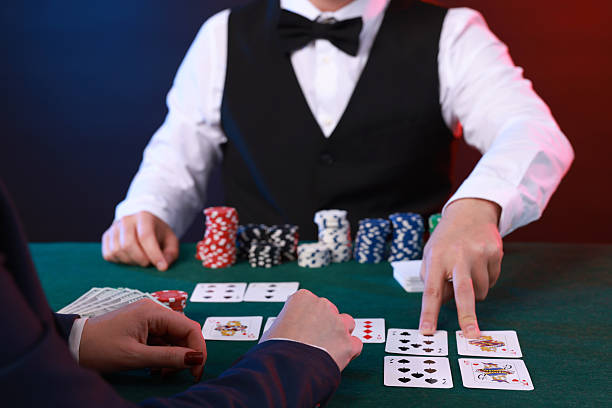
Moreover, advancements in technology have also revolutionized the gaming experience. Many modern casinos now include electronic gaming tables and interactive slot machines that provide immersive experiences, further enticing players. The ability for players to engage with games in new and innovative ways deepens their connection to the casino environment, making them less likely to leave. Therefore, a combination of variety, accessibility, and technological innovation works synergistically to keep players in the gaming zone for extended periods.
The Importance of Amenities and Services
The overall experience of visiting a casino is enhanced through a range of amenities and services designed to keep players engaged and comfortable. Luxurious settings, fine dining options, and bars create a multi-faceted environment that encourages visitors to spend more time in the casino. When players have access to quality food and drink, they are more likely to stay longer, enjoying both the gaming experience and the leisure activities offered. The integration of entertainment options, such as shows or live music, further enhances the sense of experience, making it easier for players to justify spending extended periods within the casino.
Casinos often implement loyalty programs that reward players for their time and money spent. These programs offer various incentives, from exclusive access to events to complimentary meals and hotel stays, encouraging players to return and play longer. The psychology of earning rewards reinforces the desire to stay and participate in gaming activities, as players feel they are not only having fun but also being rewarded for their loyalty. Thus, these amenities act as additional motivation for players to spend additional hours on the gaming floor.
Another facet of the casino experience is the presence of support staff, including dealers, waitstaff, and hosts. This personalized attention creates a welcoming atmosphere that fosters player comfort and satisfaction. When visitors feel valued and cared for, they are more likely to immerse themselves in the environment and continue playing. The combination of enticing amenities, rewards programs, and attentive service creates a holistic casino experience that promotes prolonged engagement with the games.
The Role of Marketing and Promotions
Marketing strategies employed by casinos are designed to attract players and keep them engaged. This includes a plethora of promotions, such as match bonuses, free spins, and special events that create a sense of urgency and excitement around visiting the casino. Seasonal promotions or themed events often draw in crowds and create a buzz, prompting players to participate in gaming activities for longer periods. By continually refreshing promotional offers, casinos keep the environment dynamic and engaging, encouraging players to return frequently and play longer.

Furthermore, casinos leverage targeted advertising to create personalized experiences for players. By gathering data from player activity, casinos can tailor promotions based on individual preferences and behavioral patterns. This means that players are more likely to receive offers that resonate with their interests, enhancing the chances of prolonged engagement. By making players feel special and catered to, casinos can effectively increase the duration of visits and the frequency of return trips.
The use of social media and digital marketing has further transformed how casinos communicate with potential players. Engaging content, interactive posts, and flash sales create a sense of community and excitement around the casino. This online presence keeps players informed about new games, events, and offers, driving foot traffic and encouraging longer play. Overall, effective marketing strategies are crucial in creating a casino environment that fosters long-term player engagement.
Choose Your Experience
For anyone interested in the mesmerizing world of casinos, it’s essential to understand the design and operational strategies that encourage longer play sessions. By exploring various gaming options, experiences, and environments, players can make informed choices about how they engage with gaming establishments. Understanding the psychological aspects of casino design and the implications of spending longer periods can lead to more enjoyable and responsible gaming experiences. This awareness empowers players to navigate the thrilling yet complex landscape of casinos.
While casinos are expertly crafted to keep players entertained, it is crucial for individuals to establish personal boundaries and recognize their limits. Being aware of the elements that encourage extended play can help individuals make smart decisions about their time and finances. By engaging critically with the gaming experience, players can enjoy entertainment while avoiding potential pitfalls associated with excessive gambling.
As you explore different gaming venues and leverage the various options available, understanding these dynamics can greatly enhance your experience. Responsible gaming should always be prioritized, ensuring that the thrill of the game complements the enjoyment of the overall atmosphere. With the right mindset and informed choices, a visit to a casino can be enjoyable, thrilling, and rewarding.